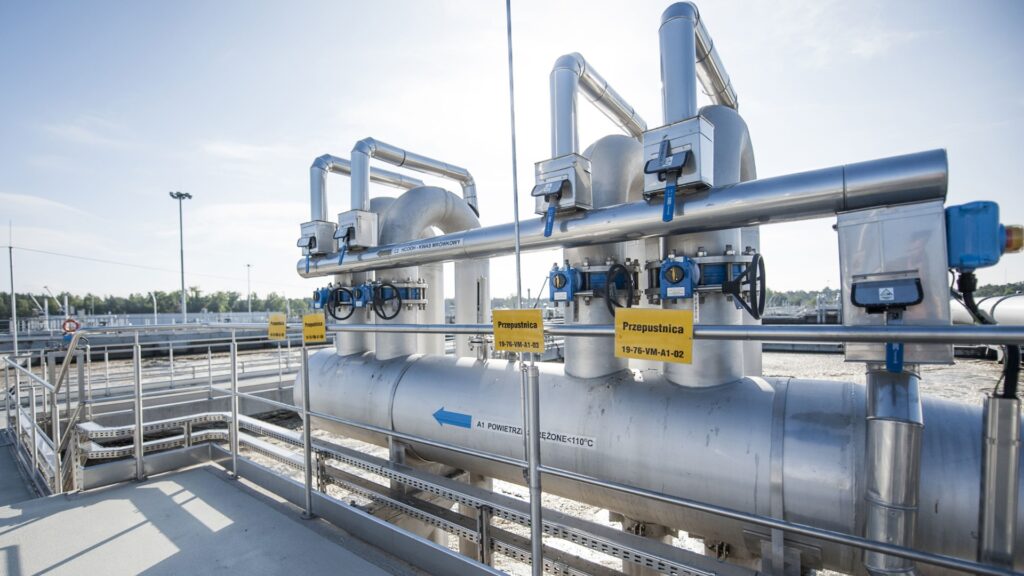
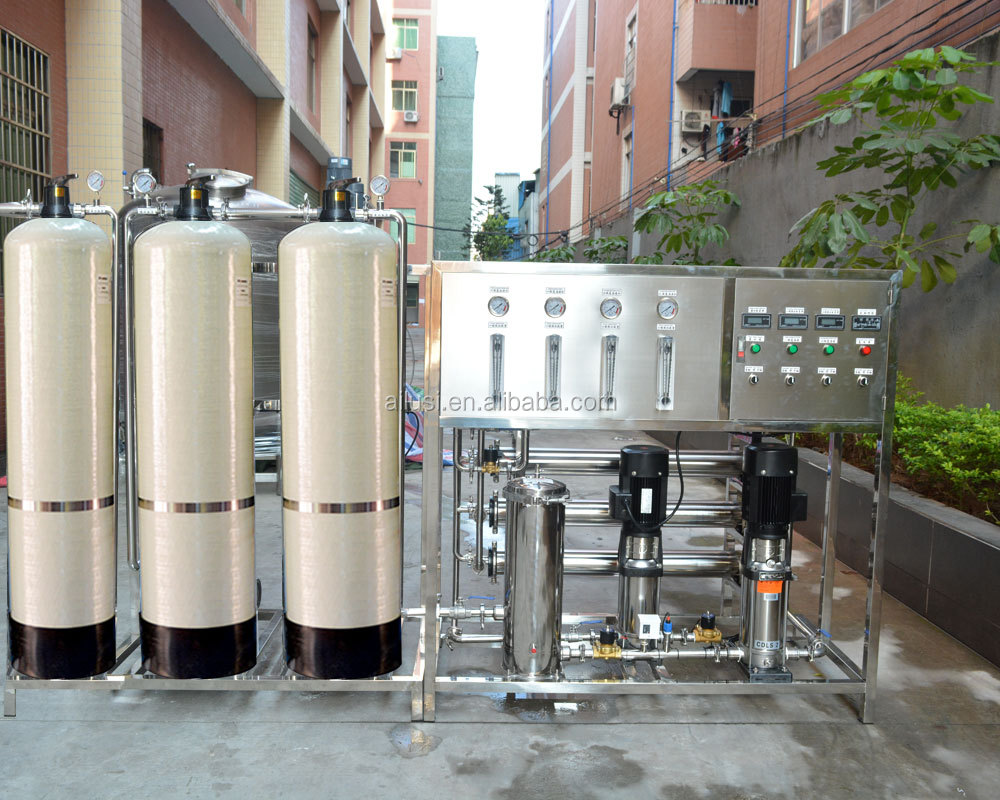
The aeration tank is where most treatment happens in a biological STP, and dissolved oxygen (DO) is what keeps it working. The bacteria that break down sewage need oxygen; blowers and diffusers supply it. DO is also where most of the plant’s electricity goes.
What DO level to aim for
Many activated sludge and MBBR plants are run at around 1.5 to 2.5 mg/l of dissolved oxygen in the aeration tank. Below that, treatment slows down. Well above it, you are paying for air the bacteria do not need. Your plant designer may specify a different target for your process.
Signs of too little oxygen
- Septic or rotten-egg smell from the aeration tank.
- Dark grey or black mixed liquor instead of brown.
- Cloudy treated water and rising BOD and COD results.
- Poor settling and sludge floating in the clarifier.
Common causes
- Blowers switched off or run for fewer hours to save power.
- Clogged or broken diffusers giving coarse bubbles or dead zones.
- Load increased beyond design after full occupancy.
- Grease from kitchens coating diffusers and media.
Foaming and filamentous bacteria
Thick brown, stable foam on the aeration tank is often caused by filamentous bacteria such as Nocardia. They tend to thrive where grease and oil reach the plant and where sludge is kept in the system too long. The usual remedies are better grease control upstream, removing foam rather than recycling it, and wasting sludge more regularly to bring sludge age down.
Controlling DO without wasting power
- Measure DO daily with a portable meter, or install an online sensor.
- Clean or replace diffusers on schedule.
- Use timers or variable speed drives so blowers follow the load.
- Fix the cause of high load, such as grease or stormwater, instead of only adding air.
If your plant smells or foams, an audit and upgrade usually costs less than living with the problem.