Hospitals and healthcare
Water systems hospitals can depend on.
Hospitals need treatment that never stops: STPs with standby equipment, separate treatment for lab and laundry effluent and reliable drinking and process water.

The challenge
Many streams, zero tolerance for downtime.
A hospital uses large volumes of water for patients, laundries, kitchens, sterilisation and air conditioning, and produces sewage plus chemical and lab effluent. Treatment plants run round the clock, often in tight basements, and audits expect good records.
We design plants with duty and standby equipment, segregate effluent streams that would upset the STP and provide O&M support so plants keep running between audits.
Typical water streams
- Sewage from wards, OPDs and kitchens
- Laboratory and chemical effluent
- Laundry wastewater
- Raw water for RO, softeners and boilers
Recommended systems
What usually works here.
Wastewater
Hospital sewage treatment plant
STPs for hospitals, nursing homes and medical colleges: separate handling of lab and laundry streams, strong disinfection and reliable 24-hour operation.
Wastewater
Hospital effluent treatment plant
Effluent treatment for hospital laboratories, laundries and chemical streams: pre-treatment, disinfection and safe integration with the hospital STP.

Water treatment
Commercial RO water plant
Commercial RO water plants for offices, schools, hotels, hospitals and canteens.

Water treatment
Water softening plant
Water softening plants from 250 to 3,000 LPH and larger: manual and automatic ion exchange softeners for societies, hotels, laundries, boilers and cooling.

Wastewater
Water recycling plant
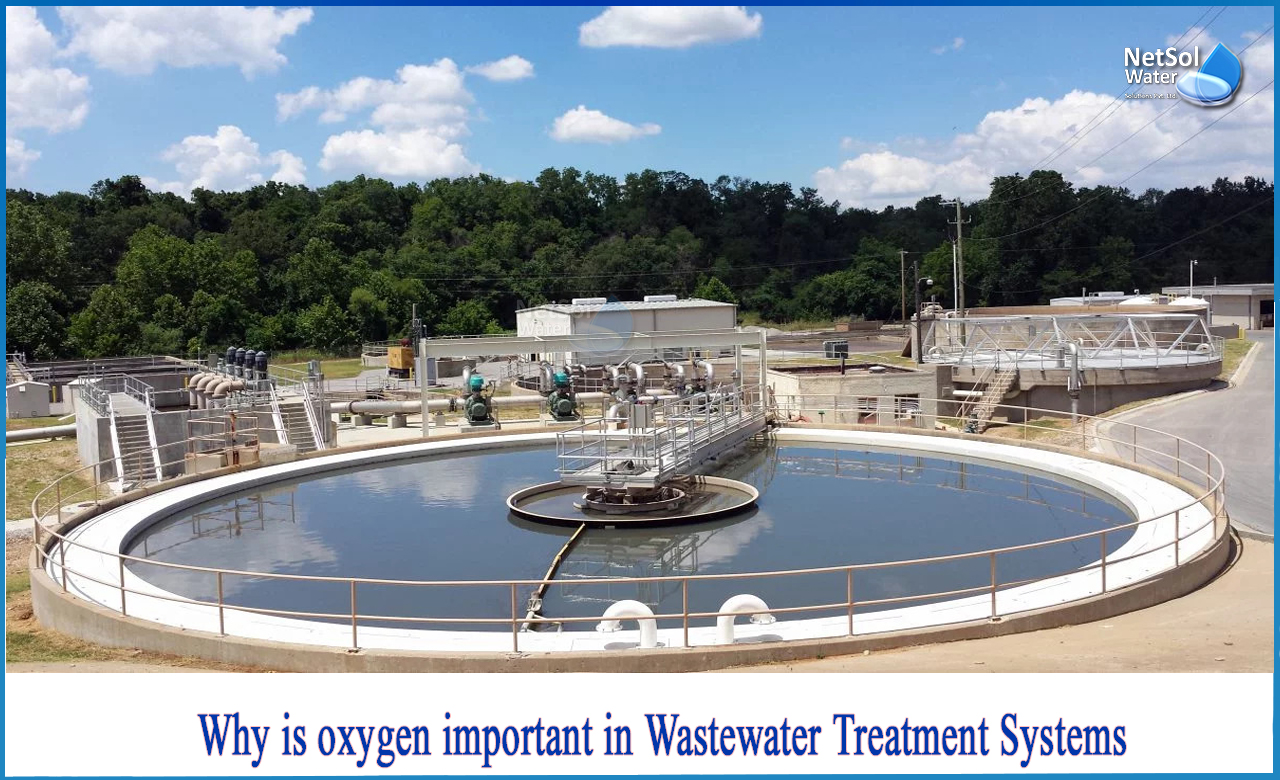
Water recycling plants that polish STP and ETP outlet for flushing, cooling towers, gardening and process reuse: filtration, UF, RO and disinfection.
Service
Operation and maintenance
STP and ETP operation and maintenance in Pune: trained operators, AMC visits, lab testing support, spares and repairs for plants we built and plants we did not.
What matters
Designed around how your site runs.
Round-the-clock operation
Standby blowers and pumps with auto changeover.
Infection control
Strong disinfection and covered tanks.
Audit-ready records
Log sheets and test reports for NABH and consent renewals.
Questions we hear
Questions from hospital teams.
Does a hospital need both an STP and an ETP?
Usually. Domestic sewage goes to the STP; lab and chemical streams need separate pre-treatment.
Can you work in a running hospital?
Yes. Upgrades are phased and planned with the facility team to avoid disruption.
Do you provide plant operators?
Yes, under an O&M contract with supervision and backup.
Talk to an engineer
Planning or upgrading hospital water systems?
Tell us the bed count, departments and current plant. We will suggest the right combination of treatment.