Pharma and chemicals
Complex effluent, handled stream by stream.
Pharma and chemical plants often have several effluent streams with very different strength and TDS. Good segregation is the key to a plant that works and costs less.
The challenge
Segregate, treat, recover.
Batch production, solvents, high COD and high TDS make pharma and chemical effluent hard to treat in one combined plant. Many sites also operate under zero liquid discharge conditions.
We map streams, separate high-TDS and high-COD flows, and design a treatment train with physico-chemical, biological, membrane and evaporation stages as required. Utilities get RO and softened water designed from the same water balance.
Typical water streams
- High-COD process effluent
- High-TDS streams and RO reject
- Utility blowdowns
- Domestic sewage
Recommended systems
What usually works here.

Wastewater
Effluent treatment plant
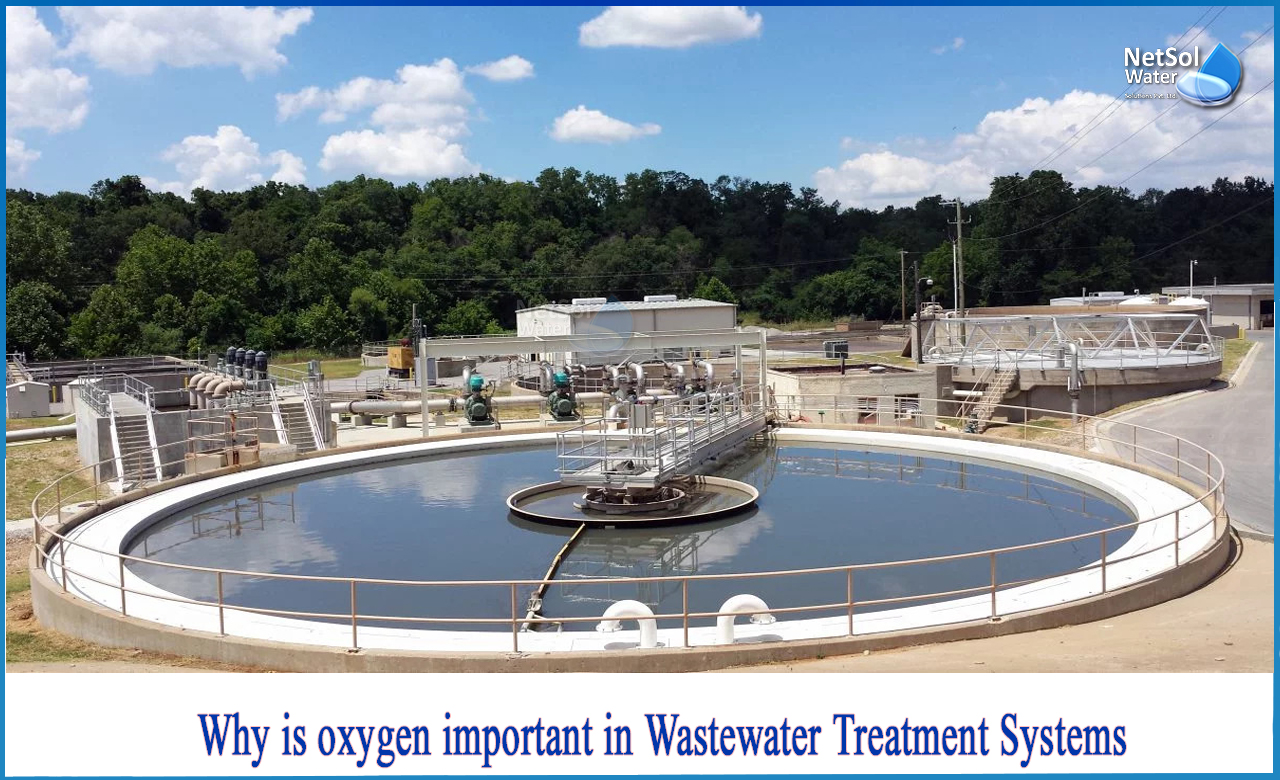
Industrial effluent treatment plants designed from your effluent analysis: physico-chemical, biological and tertiary treatment, sludge handling and reuse.
Wastewater
Zero liquid discharge
Zero liquid discharge systems for industries: ETP, high-recovery RO and evaporation so that no liquid effluent leaves the site and water returns to process.
Water treatment
Industrial RO plant
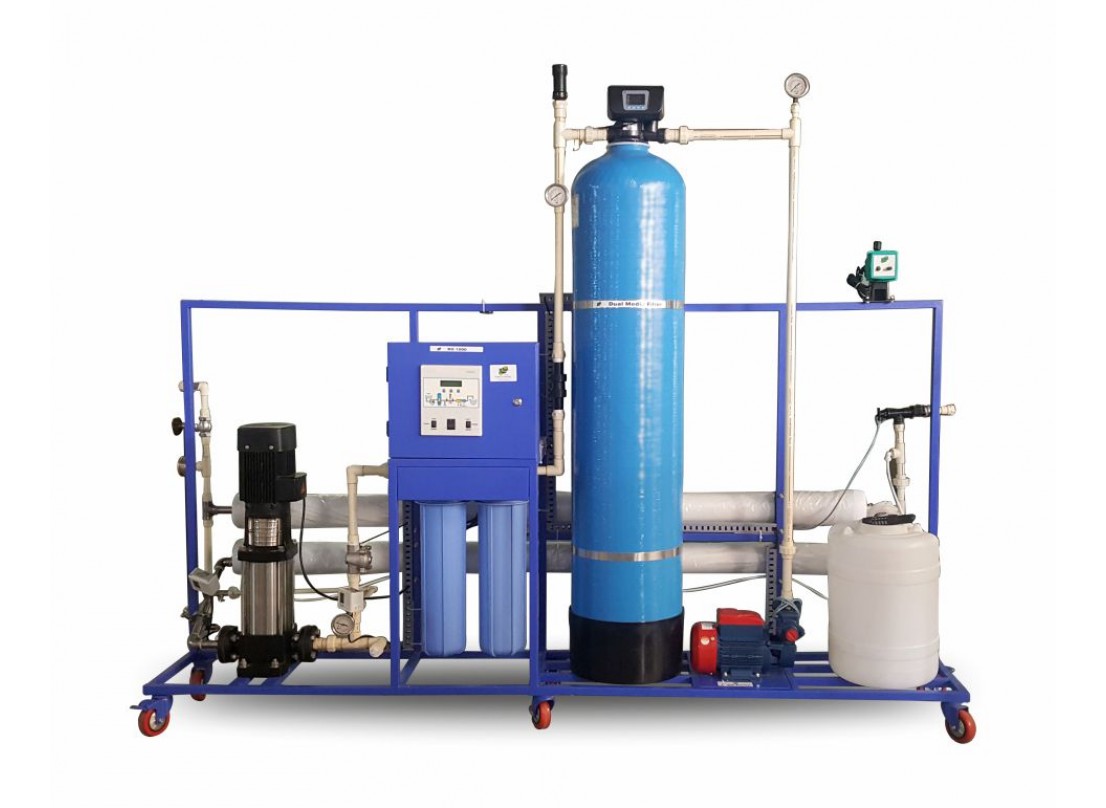
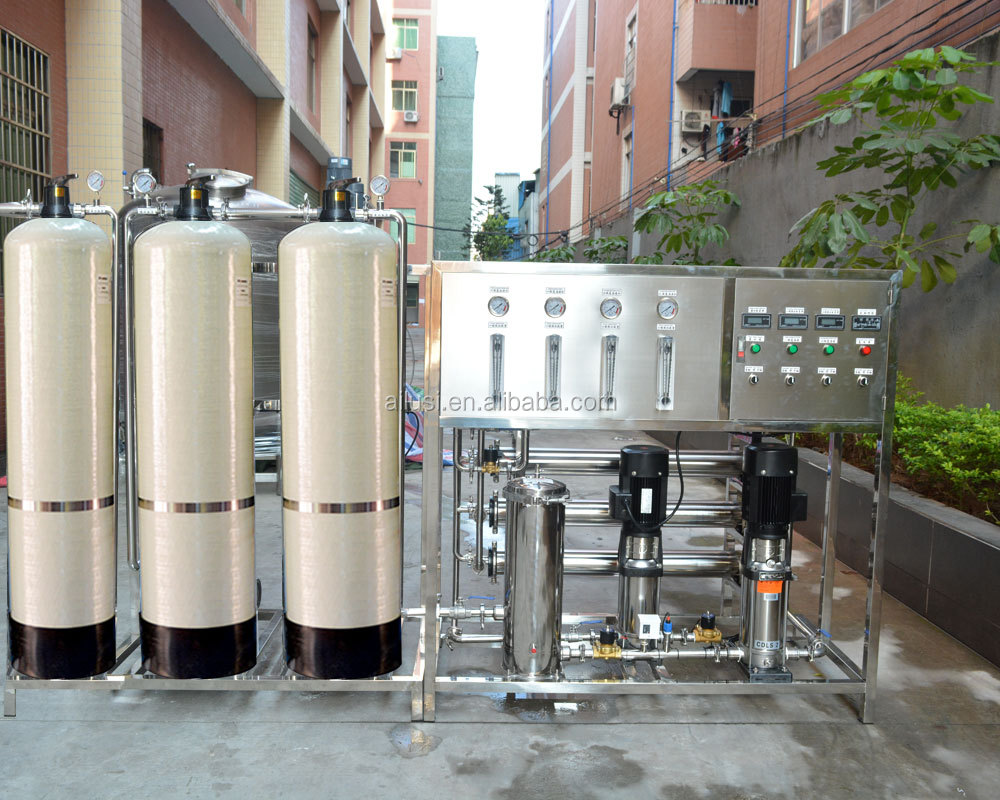
Industrial RO plants for boiler feed, process, cooling and rinse water.

Wastewater
ETP plant by industry
ETP plants matched to your industry: paint shops, dairies, paper, chemicals, leather, glass, oil and food processing.

Water treatment
Water softening plant
Water softening plants from 250 to 3,000 LPH and larger: manual and automatic ion exchange softeners for societies, hotels, laundries, boilers and cooling.
Service
Operation and maintenance
STP and ETP operation and maintenance in Pune: trained operators, AMC visits, lab testing support, spares and repairs for plants we built and plants we did not.
What matters
Designed around how your site runs.
Stream segregation
Different streams, different treatment, lower cost.
Water recovery
RO recovery before evaporation.
Compliance records
Monitoring and logs for consent and audits.
Questions we hear
Questions from pharma and chemical units.
Is ZLD mandatory for pharma units?
It depends on your consent conditions and location. Many units in sensitive areas operate under zero discharge.
Can high-TDS effluent go to a biological plant?
Very high TDS inhibits biology, which is why it is usually segregated and handled through RO and evaporation.
Do you do treatability studies?
Yes, jar tests and lab studies help confirm the process before design.
Talk to an engineer
Effluent that is hard to treat?
Send your stream-wise data or ask us to sample. We will propose a segregation and treatment plan.